Auto Glass Explained:
Full Breakdown of Windshield Layers, Glass Types, Repair Tools, and Installation Techniques
You don’t notice auto glass, until it cracks, fogs up, or blocks your view at the worst time. But every sheet of glass in your car is doing something important. It holds your roof steady. It protects you in a rollover. It filters sunlight, dampens noise, and supports sensors that help you drive. Today’s auto glass is smarter, tougher, and more advanced than ever. It’s not just a window, it’s safety tech you don’t see.
This wiki page breaks down what really matters: the types of glass, how it’s made, what features to look for, and when to repair or replace it. If you drive, fix, or care about cars, this is the auto glass guide that goes beyond the basics.
Call Now: +1 (424) 273-8976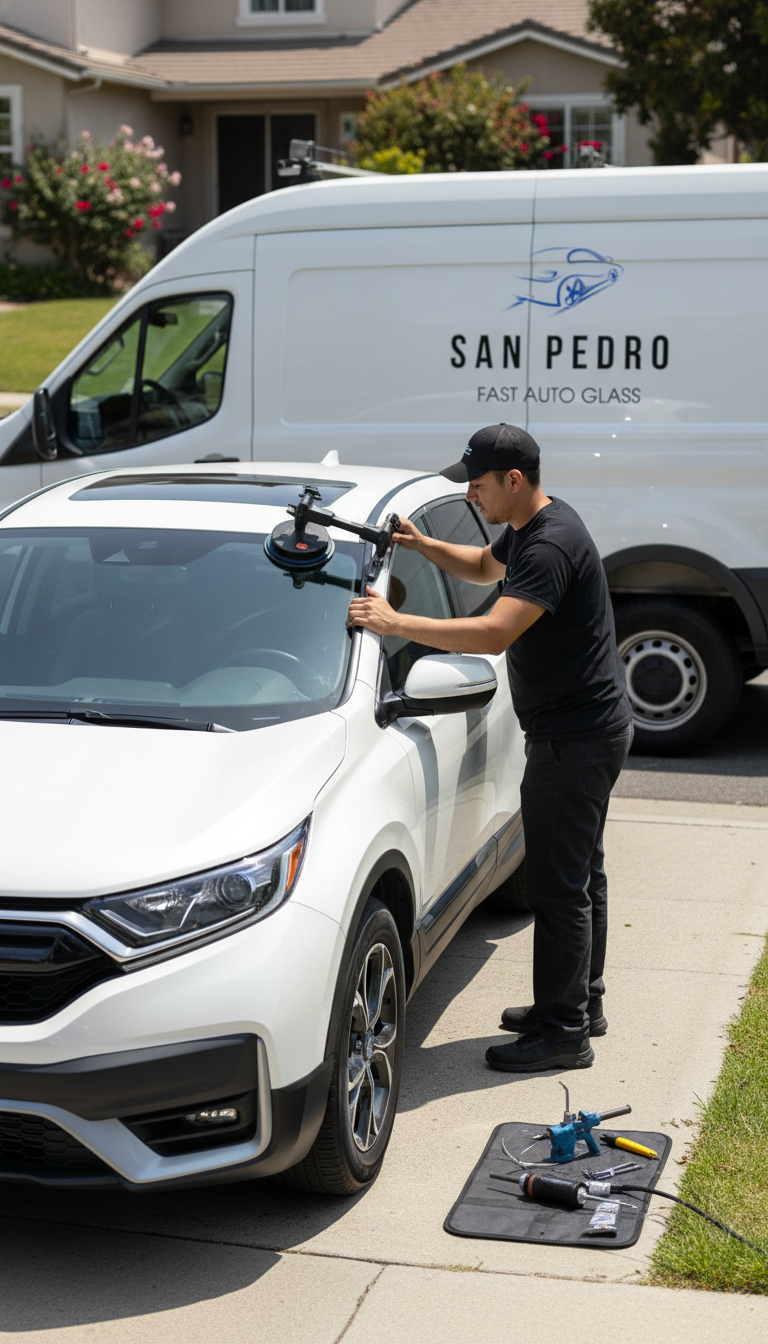
Types of Auto Glass
Cars use different types of glass in different parts of the vehicle. Each serves a unique purpose, like safety, visibility, or design. Knowing the type of glass helps during replacement or repair.
Windshield: Front Line Protection for Drivers
The windshield is the front glass of a car. It protects you from wind, bugs, and debris while helping your car’s structure during crashes. Most windshields are made from laminated glass, which doesn’t shatter easily. This makes it safer and more durable in everyday driving or accidents.
Side Window: Your View and Ventilation
Side windows let you see traffic around you and let air flow into the car. They are usually made from tempered glass, which breaks into tiny pieces for safety. These windows can be tinted and often roll up and down with electric motors or manual cranks.
Rear Window: Rear Visibility and Defrosting
The rear window allows you to see behind the car. It often has heating lines to melt snow or remove fog. Rear windows are also made of tempered glass. This helps avoid injury if the glass breaks in a crash or when hit.
Sunroof: Letting in Light and Air
A sunroof is a glass panel in the roof that can open to let in light or fresh air. Sunroofs are usually made from strong, tinted tempered glass. Some cars also have panoramic roofs that stretch across the top for a wider view.
What Auto Glass Is Made Of
Auto glass is made using strong and safety tested materials. These include laminated and tempered glass, both designed to reduce injury and increase safety in case of damage or accidents.
Laminated Glass: Built for Impact
Laminated glass is made by bonding two layers of glass with a plastic sheet in between. It’s used in windshields because it holds together when broken. This keeps the glass from flying into the car and protects the passengers.
Tempered Glass: Breaks Without Sharp Edges
Tempered glass is made by heating and cooling it quickly to make it stronger. When it breaks, it shatters into small, dull pieces instead of sharp shards. That’s why it’s used for side and rear windows, and sometimes sunroofs.
Key Features of Modern Auto Glass
Today’s auto glass does more than just provide a view. It offers comfort, safety, and advanced features like UV protection, heating, and support for heads up displays.
UV Protection: Shields from Harmful Rays
Some auto glass has UV filters that block out harmful sun rays. This helps protect your skin and keeps the car’s interior from fading. Windshields with UV protection can block up to 99% of UV light.
Tinted Glass: Style and Privacy
Tinted windows reduce sunlight and add privacy. They also lower the heat inside the car by blocking some of the sun’s rays. Tint levels can vary by state laws and window placement.
Heated Glass: Clear Vision in Cold Weather
Heated glass has thin wires inside it that warm up when the car is on. It helps melt ice and remove fog, especially on rear windows and some windshields. This improves visibility on cold or rainy days.
Heads Up Display Compatible: Tech Friendly Windshields
Some windshields are made to show information like speed or GPS directions. This is called a heads up display (HUD). The glass needs to be smooth and free of distortion to show clear images to the driver.
Rain Sensing: Smart Glass That Reacts
Rain sensing glass works with sensors that detect water. When it rains, the wipers turn on automatically. These sensors are often placed near the top of the windshield and need clean, clear glass to work right.
Top Auto Glass Brands in the Market
Several trusted companies make auto glass used in repair shops and by car makers. These brands are known for safety, quality, and innovation in glass technology.
Safelite: Leaders in Auto Glass Repair
Safelite is one of the most well known names in auto glass repair and replacement. They offer mobile services and use advanced tools to match the glass to your vehicle’s needs.
Pilkington: Trusted by Car Manufacturers
Pilkington is a global leader in glass production. Many car brands use Pilkington windshields as original equipment. They also make glass with special features like HUD support and acoustic dampening.
Saint Gobain: High Quality Glass for All Vehicles
Saint Gobain manufactures automotive glass under the Sekurit brand. Their products are used by top car brands and include laminated, tempered, and coated glass for different vehicle types.
AGC: Innovative Auto Glass Solutions
AGC (Asahi Glass Company) produces auto glass that meets high safety and performance standards. Their products include glass with UV protection, thermal control, and advanced coatings.
Fuyao: Fast Growing Glass Manufacturer
Fuyao is a leading supplier of automotive glass worldwide. They focus on quality and affordability and supply glass to many vehicle manufacturers and auto shops.
Global Safety Standards for Auto Glass
ANSI Z26.1: U.S. Safety Rules for Glass
This standard is used in the United States. It checks if auto glass meets safety levels for impact, clarity, and strength. All replacement glass must pass these tests.
ECE R43: Europe’s Auto Glass Standard
This is the European rule for car glass safety. It tests for things like how glass breaks, resists heat, and stays clear. Most glass made in or for Europe must meet ECE R43.
JIS: Japan’s Standard for Auto Glass
JIS stands for Japanese Industrial Standards. Auto glass under JIS rules must pass tests for breakage, strength, and UV filtering. It helps ensure high quality safety glass in Japanese cars.
How Auto Glass Is Made: Manufacturing Techniques
Float Process: Flat and Uniform Glass Creation
The float process makes flat glass by floating melted glass on a bed of liquid tin. This method creates smooth, even sheets used in windshields and windows. It’s a key step before cutting and shaping the glass.
Fusion Process: High Quality Glass for Special Use
The fusion process creates cleaner, more precise glass. Melted glass flows from both sides into a mold and joins in the middle. This technique is used in high end cars or for glass with advanced features.
Future Tech: Innovations in Auto Glass
Auto glass is changing fast with new technology. These innovations improve safety, comfort, and driving experience through smart and self healing glass features.
Self Healing Glass: Repairs Tiny Cracks Automatically
Self healing glass uses special materials that can fix small cracks by themselves. When heat or sunlight hits the glass, it softens and fills the crack. This helps keep the glass strong for longer.
Smart Glass with Augmented Reality: See Data on the Glass
This glass shows useful driving info like speed, maps, or alerts right on the windshield. It uses augmented reality (AR) to help drivers stay focused without looking away. It needs clear, distortion free glass.
Electrochromic Glass: Adjusts Tint Automatically
Electrochromic glass changes how dark it is using electricity. It can become darker on sunny days and lighter in low light. This helps block heat and glare while keeping a clear view.
Environmental Impact of Auto Glass
Auto glass production and disposal affect the planet. Car makers and glass companies now use greener methods to reduce waste and protect the environment.
Recycling Practices: Giving Old Glass New Life
Old auto glass is collected, cleaned, and melted down to make new products. This reduces the need for new raw materials and lowers waste in landfills.
Carbon Footprint: How Much CO₂ Glass Production Emits
Making glass uses heat and energy, which gives off carbon dioxide. Companies now track this and find ways to lower the carbon footprint with cleaner power and better tools.
Sustainable Manufacturing: Greener Ways to Make Glass
Factories now use eco friendly steps to make glass. This includes using less water, recycling heat, and choosing materials that are better for the planet.
Fixing Auto Glass: Repair Methods and Materials
Small chips and cracks in auto glass can often be repaired instead of replaced. Knowing the tools, time, and cost can help drivers choose the right fix.
Repair Techniques: Fixing Chips and Cracks Safely
Glass repair involves cleaning the damage and filling it with clear resin. The resin bonds the glass back together and stops cracks from spreading.
Tools: Equipment Used in Auto Glass Repair
Common tools include resin injectors, curing lamps, and glass drills. These tools help fix the damage with accuracy and make sure the repair holds strong.
Duration & Cost: What to Expect During Repair
A typical repair takes about 30 minutes to an hour. It usually costs less than replacement, depending on the crack size, location, and the shop.
Repair Resin Types: Choosing the Right Filler
Different resins are used for different cracks. Thin resins work best for small chips, while thicker resins are used for long cracks. Some resins are UV cured, while others dry with heat.
Repair Limitations: When Glass Can’t Be Fixed
Repairs don’t work if the crack is too big, deep, or near the edge. If the damage affects visibility or safety, the glass must be replaced instead.
Replacing Auto Glass: Full and Partial Methods
When repair isn’t possible, auto glass must be replaced. This involves removing the damaged glass and fitting in a new one safely and correctly.
Replacement Techniques: Steps for New Glass Installation
Auto glass replacement starts with removing the old glass, cleaning the frame, and applying a fresh adhesive. The new glass is then set in place and cured to seal it.
Full Removal: Taking Out the Entire Glass Unit
In full removal, the entire glass pane and surrounding adhesive are taken out. This is common for windshields or when the damage is too large to fix.
Partial Removal: Keeping Some Parts in Place
Partial removal involves replacing only part of the assembly, like a section of trim or seal. This can be quicker and cheaper but depends on the glass type and car design.
What Makes Up a Windshield: Layer by Layer
Windshields are built in layers for strength and safety. These layers help stop cracks, block UV rays, and keep the glass from shattering during accidents.
Outer Layer: First Line of Defense
The outer layer is made of strong glass. It takes the hit from rocks, wind, or debris. This layer is clear, smooth, and helps keep the car’s view safe.
Plastic Interlayer: Holds the Glass Together
This middle layer is usually made of PVB (polyvinyl butyral). It sticks to the glass and keeps it from flying apart when broken. It also blocks UV rays and cuts down noise.
Inner Layer: Added Strength Inside
The inner layer is also glass and works with the outer layer to give shape and strength. If the windshield breaks, this layer stays in place and helps stop sharp edges from reaching you.
Shapes and Curves: How Windshields Are Designed
Windshields come in different shapes based on the car’s look and how the air flows over it. Shape also affects how light, water, and wind hit the glass.
Flat: Basic and Straightforward
Flat windshields are less common in modern cars but are found in older models. They are simple and cheaper to make, but may not handle wind and noise well.
Convex: Bumps Outward
A convex windshield curves outward toward the road. It gives a wider view for the driver and helps air move smoothly over the car.
Concave: Curves Inward Slightly
Concave windshields curve inward. They help reduce glare from the sun and can make the car quieter by controlling how air flows.
Special Types of Windshields for Added Protection
Some windshields are made with special materials or tech for safety, quiet rides, or temperature control. These are found in certain vehicles or premium models.
Bulletproof: Made to Stop Bullets
Bulletproof windshields are used in security vehicles. They have thicker layers and stronger plastics that can stop bullets or blunt objects.
Soundproof: Blocks Outside Noise
These windshields reduce noise from traffic or wind. They use extra thick plastic layers or sound dampening films to keep the cabin quiet.
Thermal Insulated: Controls Heat Flow
Thermal insulated windshields have coatings or layers that block heat from the sun. They keep the car cooler and help the AC work better.
Windshield Maintenance Tips
Taking care of your windshield keeps it clear and strong. Simple steps can help it last longer and reduce the chance of damage.
Regular Cleaning: Keeps View Crystal Clear
Wash your windshield with soft cloths and mild cleaners. Dirt or bugs can scratch the glass or block your view if not cleaned often.
Wiper Blade Replacement: Avoid Scratches
Worn out wipers can leave streaks or scratches. Replace them every 6–12 months to keep the windshield clear and prevent damage.
Avoiding Direct Sunlight: Stop Heat Cracks
Hot sun can weaken the glass over time. Parking in the shade or using a sunshade helps stop cracks from forming or spreading.
Types of Windshields by Placement
Cars have more than one windshield depending on the direction and function. Each one is made to meet different needs for safety and vision.
Front: The Main Viewing Area
This is the large glass in the front of the car. It’s made of laminated safety glass and supports tech like wipers, sensors, and HUDs.
Rear: Clear View from Behind
The rear windshield sits at the back. It’s usually made from tempered glass and often has defrosting wires to keep it clear in cold weather.
Tools Used in Windshield Installation
Glass technicians use special tools to install or replace windshields safely and accurately. These tools protect both the vehicle and the new glass.
Molding Holders: Keep Trim in Place
These tools hold the rubber or plastic molding around the windshield during installation. This helps seal the glass and keeps out water and air.
Suction Cups: Lift and Place Glass Easily
Large suction cups let installers hold and move the windshield without touching the glass directly. They reduce the risk of drops and damage.
Glass Cutters: For Removing Broken Glass
Glass cutters help remove cracked or broken windshields. Some use wires or blades to cut the glue holding the glass in place.
Features of Windscreens (Windshields)
Windscreens today come with built in features that add safety, comfort, and style. These are often included in modern vehicles and higher trim levels.
UV Protection: Blocks Harmful Sunlight
UV protection keeps the sun’s rays from damaging your skin or fading your seats. Most windshields now come with a UV blocking layer in the glass.
Tinted: Reduces Glare and Heat
Tinted windshields help block bright light and keep the car cooler. They also reduce glare, making it easier to drive during sunrise or sunset.
Heated: Clears Fog and Ice Quickly
Heated windshields use tiny wires that warm up the glass. This melts ice and removes fog, giving you a clear view in cold or rainy weather.
Call San Pedro Fast Auto Glass for Auto Glass Repair Today
Don’t let cracked or broken glass put you at risk. Trust San Pedro Fast Auto Glass for expert auto glass repair in San Pedro, CA, fast, mobile, and guaranteed.